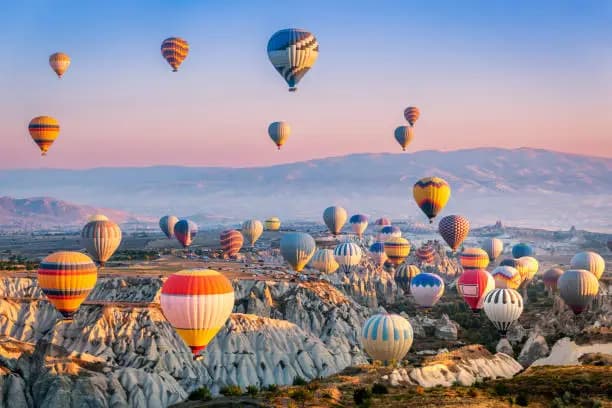
Cappadocia Winter Balloon Rides: A Magical Experience in the Snow
There's a version of Cappadocia that most visitors never see: the one blanketed in snow, its ancient fairy chimneys draped in white, its valleys silent and crystalline in the cold winter air. And there's an even more extraordinary version of that: seeing it all from a hot air balloon at sunrise. Winter ballooning in Cappadocia is one of Turkey's most magical and underappreciated travel experiences — and in 2026, it's more accessible than ever thanks to platforms like BalloonScanner.com.
This guide covers everything you need to know about Cappadocia hot air balloon rides in winter — from the unique visual beauty and photography advantages to practical advice on cancellation rates, what to wear, and how to maximize your chances of actually getting in the air.
The Unique Beauty of Winter Ballooning in Cappadocia
Cappadocia is beautiful in every season. But winter brings a visual transformation that veteran travelers consistently rank among the most striking they've ever witnessed. When fresh snow settles on the tuff formations, the region becomes something from another world entirely.
Here's what makes the winter balloon experience so visually distinctive:
- Snow-covered fairy chimneys: The conical rock formations that define Cappadocia's skyline take on an otherworldly appearance when capped with snow. The contrast between the warm ochre and rust-colored rock and the pure white snow creates a natural color palette unlike anything in summer.
- Frozen valleys: Göreme Valley, Devrent Valley, Paşabağı, and the Rose Valley are transformed in winter. Pools and streams freeze, vegetation retreats, and the bare geometry of the landscape becomes more visible and dramatic.
- Ice-draped formations: On the coldest mornings, ice crystals form on rock overhangs and cave entrances, catching the first rays of sunrise light in ways that create natural prisms of color.
- Crystalline air: Winter air in Cappadocia is exceptionally clear, offering visibility that can exceed 100 kilometers on a good day. The distant volcanic cones of Erciyes and Hasan Dağı appear in sharp relief against the winter sky.
- Dramatic winter light: Winter sun angles lower than summer means longer golden hours and more dramatic shadowing in the valleys — a photographer's dream that simply doesn't exist in the high-contrast summer light.
How Winter Light Differs from Summer Flying
For photographers and visually-minded travelers, the quality of light during a winter balloon flight deserves special attention. In summer, the sun rises relatively quickly and reaches a harsh, high angle that flattens shadows and washes out colors. In winter, the sunrise is both later (making the early morning wake-up slightly less brutal) and slower, more golden, and dramatically angled.
During a winter flight, you can expect:
- A longer golden hour period — typically 45–90 minutes of ideal photography light versus 20–30 minutes in summer
- Long, raking shadows that emphasize the depth and texture of the valley formations
- Warm amber tones contrasting with cool blue shadows — a combination that looks spectacular in photographs
- Mist rising from unfrozen valleys in the early morning cold, creating ethereal layers of atmosphere
Many professional travel photographers specifically plan their Cappadocia shoots for winter months, citing the light quality and the absence of summer haze. If photography is a significant part of your travel experience, winter is arguably the superior season for a balloon flight.
Understanding Winter Cancellation Rates
The primary concern for winter balloon flights in Cappadocia is weather cancellation. It's important to approach this with accurate expectations rather than either dismissing the risk or exaggerating it.
Here are the realistic cancellation statistics for winter 2026:
- December: Cancellation rate approximately 40–55%. December can bring strong winds and storms, particularly in the first half of the month. However, clear, cold high-pressure days do occur, especially mid-December through Christmas.
- January: Cancellation rate approximately 45–60%. The coldest month often brings the most wind. However, clear days in January produce the most spectacular snow scenes, making it a high-reward month if you're lucky.
- February: Cancellation rate approximately 35–50%. Weather begins to moderate slightly. Late February often sees a "preview" of spring conditions with several flyable days per week.
- March: Cancellation rate drops to approximately 20–30%. March is often a wonderful shoulder month — still cool enough for dramatic winter-adjacent scenery, but with significantly more reliable flying weather. This is the best of both worlds.
What these numbers mean in practice: if you're visiting for 3–4 days in winter, there's a reasonable chance you'll get to fly at least once. But if you're only in Cappadocia for one day in January, your chances of flying that specific day are below 50%. Planning your stay with flexibility is crucial.
Which Winter Months Are Safest for Flying?
Based on historical weather data and operator experience, March is consistently the safest winter month for balloon flights in Cappadocia, followed by late February and then December (which benefits from several stable high-pressure windows around the holiday period). January is the most challenging month for reliable flying.
If your heart is set on snow scenery with a reasonable flight probability, target the last week of February or first two weeks of March. You'll often still see snow on the formations (especially on higher elevations and north-facing slopes), enjoy winter light quality, and have significantly better flying weather than the peak winter months.
What to Wear for a Cold Morning Flight
Balloon flights in Cappadocia always depart around sunrise, which in winter means 6:30–7:30 AM. At this time, temperatures in the basket — which is open-air and elevated above the ground — typically range from -5°C to +5°C (23–41°F), depending on altitude and prevailing winds. Proper preparation makes the difference between a comfortable, magical experience and an hour of miserable shivering.
Here's what experienced winter balloon travelers recommend wearing in 2026:
- Base layer: Thermal underwear top and bottom. Merino wool is ideal — it's warm, doesn't retain moisture, and doesn't bulk up.
- Mid layer: A fleece or down mid-layer over the thermal base. Down vests work particularly well as they keep your core warm without restricting arm movement.
- Outer layer: A windproof and ideally water-resistant jacket. The basket is exposed to wind during flight, and a windproof shell makes a dramatic difference in perceived warmth.
- Legs: Thermal leggings under regular trousers, or ski-style insulated trousers if you have them. Jeans are a poor choice — they're cold, heavy, and restrict movement when climbing in and out of the basket.
- Feet: Warm socks (wool if possible) and sturdy boots with good ankle support. You'll be standing for the entire flight.
- Head and hands: A warm hat that covers your ears is essential. Gloves or mittens are important — you'll want to use your phone or camera, so consider thin liner gloves that still allow touchscreen use.
- Neck: A scarf or neck gaiter significantly increases overall warmth by blocking the gap between jacket and hat.
It's better to arrive at the launch site overdressed and remove a layer if needed. The crew will store extra clothing in the vehicle.
Lower Prices and Less Crowded Skies
Beyond the visual and atmospheric advantages, winter ballooning in Cappadocia offers concrete practical benefits:
Price Advantages
Winter prices are typically 20–35% lower than peak-summer rates. An operator charging $180 in July may charge $130–$145 for the same flight in January. Combined with lower accommodation prices across Cappadocia during winter, you can often plan a significantly more affordable trip overall by visiting in the off-season.
Less Crowded Skies
In summer, up to 40 balloons may launch simultaneously, creating what some describe as a "traffic jam" in the sky. While this has its own visual appeal (seeing dozens of colorful balloons at sunrise is undeniably striking), many travelers prefer the quieter, more intimate sky of winter, where only 10–20 balloons may fly on a given morning. You spend less time navigating around other balloons and more time in contemplative appreciation of the landscape below.
Smaller Groups
Even when purchasing the same "standard" basket category, winter flights often depart with fewer passengers than the maximum capacity. You'll have more space in the basket and more access to prime viewing positions along the sides.
Tips for Increasing Your Chances of Flying in Winter
Winter cancellations are frustrating but manageable if you plan strategically:
- Stay at least 3–4 nights in Cappadocia: With a longer stay, weather windows are much more likely to align with your schedule.
- Book with a flexible rebooking policy: Choose operators on BalloonScanner.com who offer free rebooking (not just refunds) when flights cancel. A refund is helpful, but rebooking to the next available day means you still get to fly.
- Book your flight for your first or second day: If it's cancelled, you have subsequent days as backup. Don't schedule your flight for your final morning.
- Check weather proactively: Look at forecast apps like Windy.com alongside your operator's notifications. You can often identify promising weather windows 3–4 days in advance.
- Communicate with your operator: Good operators proactively message guests about flight status the evening before. Make sure they have your contact information and that you check messages before the early wake-up call.
Booking Your Winter Flight via BalloonScanner.com
BalloonScanner.com is the ideal platform for planning a winter balloon flight in Cappadocia because it specifically highlights operator cancellation and rebooking policies — the most critical factor for winter travel planning.
When using BalloonScanner.com for winter booking:
- Filter operators by "flexible cancellation" to see only those offering free rebooking for weather cancellations
- Check the specific rebooking window — some operators allow rebooking for up to 12 months, giving you maximum flexibility
- Compare winter pricing across operators using the price filter
- Read winter-specific reviews to understand how operators handled weather cancellations and rebookings for previous guests
Travelers who book through BalloonScanner.com consistently report higher satisfaction rates, partly because the platform's vetting process ensures that operators meet a baseline standard of communication and customer service — particularly important when weather disrupts plans.
Conclusion: Why Winter Might Be Your Best Season
Cappadocia winter balloon rides are not a consolation prize for travelers who couldn't visit in summer. For the right traveler — one who appreciates dramatic scenery, values photography, prefers quieter experiences, or is working within a budget — winter may actually be the superior season for a balloon flight.
Snow-covered fairy chimneys, crystalline air, golden winter light, smaller groups, lower prices, and the extraordinary emotional experience of floating silently above a frozen landscape at dawn. These are things that summer visitors simply don't get.
Plan your winter Cappadocia balloon flight at BalloonScanner.com — compare certified operators, filter by flexible cancellation policies, and give yourself the gift of one of travel's most magical cold-weather experiences.


