Masai Mara Balloons Your First-Timer's Guide to Sunrise Safari [2025]
Masai Mara balloon safaris provide aerial wildlife viewing that differs significantly from traditional ground-based game drives. Hot air balloon flights over Kenya's savannah landscape offer visitors a distinct perspective of the region's wildlife and terrain patterns.
The Maasai Mara National Reserve hosts these balloon operations, with flights covering the area's grasslands, river systems, and scattered acacia trees. Flight duration ranges from 45 minutes to 1 hour, depending on wind conditions. Balloons operate at varying altitudes during these morning excursions, sometimes reaching 1,000 meters, though pilots frequently maintain lower altitudes for closer wildlife observation.
Planning considerations center on seasonal timing. July through October aligns with the Great Migration period, when wildebeest and zebra herds cross the landscape. Morning weather conditions during these months typically offer clear skies and calm winds—optimal conditions for balloon operations.
Balloon safari availability is limited, particularly during peak migration months. Advance reservations are necessary for travelers planning to include this activity in their Masai Mara itinerary..
What is a Masai Mara Balloon Safari?
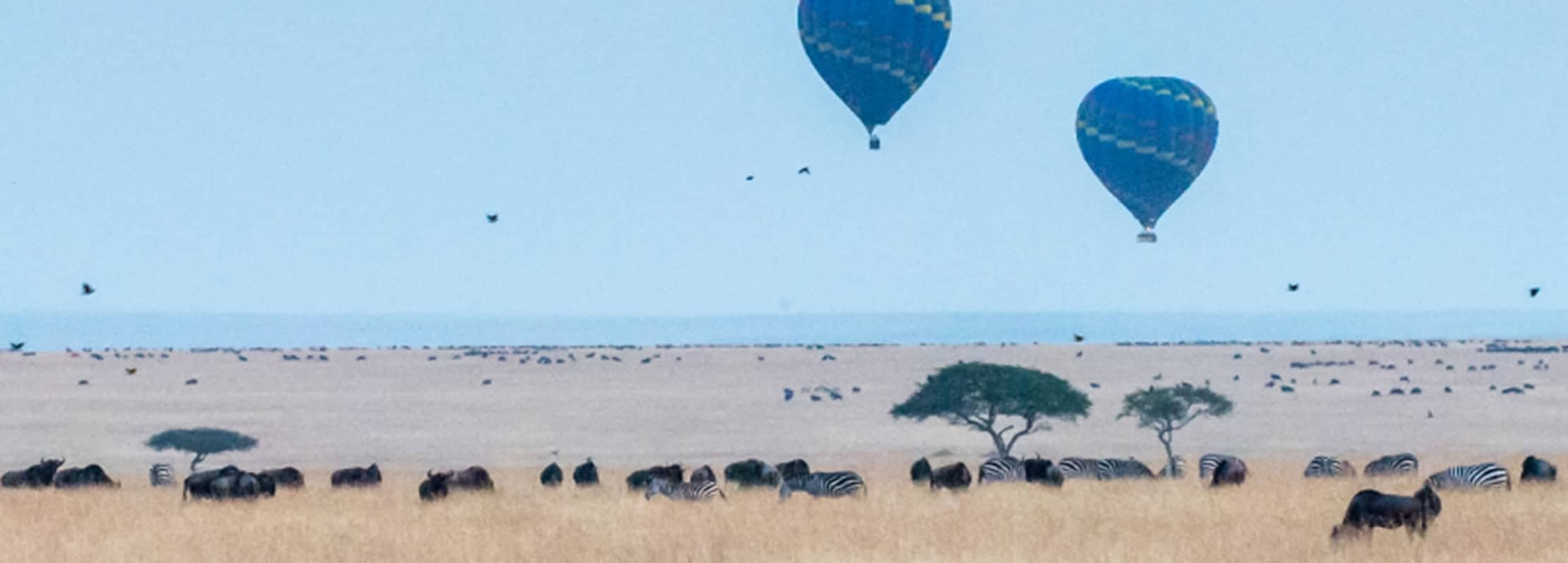
Masai Mara balloon safaris combine aerial wildlife observation with silent flight over Kenya's savannah ecosystem. Visitors experience the landscape and animal behavior patterns from an elevated perspective.
How it works: from takeoff to landing
Operations begin with accommodation pickups between 4:30-5:00 AM. At launch sites, ground crews prepare balloons through a specific inflation process. The envelope spreads horizontally across the ground while large fans provide initial air volume before burners and baskets attach.
Passengers board compartmentalized baskets designed for safety protocols. Licensed pilots conduct safety briefings before ignition. Vertical movement depends on burner-controlled air temperature within the envelope, while horizontal drift follows wind currents. Chase teams track balloon movement from ground level during flights covering 5-20 kilometers over approximately one hour.
Why sunrise is the best time to fly
Launch times occur around 6:00-6:30 AM for operational reasons. Morning wind conditions remain calm, providing stable flight parameters. Clear early-morning skies offer optimal wildlife spotting and photography conditions.
Sunrise lighting creates distinctive golden illumination across savannah terrain. Early light produces shadows and contrast that enhance landscape definition for observation and photography purposes.
How it compares to traditional game drives
Aerial positioning allows observation of animal behavior across large territories simultaneously—impossible from vehicle level. Balloons access restricted areas unavailable to safari vehicles.
Silent operation contrasts with engine noise from 4x4 vehicles. Burner sounds occur intermittently during flight. This approach minimizes wildlife disturbance during observation.
Game drives provide close animal encounters and tracking capabilities. Balloon safaris showcase ecosystem patterns and landscape scale relationships.y in peak tourist season
Top Locations for Hot Air Ballooning in Kenya
Kenya provides multiple hot air balloon locations, each offering distinct wildlife viewing and landscape experiences.
Masai Mara National Reserve
The Masai Mara represents Kenya's premier ballooning destination. Aerial views reveal wildlife distribution patterns across vast territories not visible from ground level. Typical wildlife sightings include giraffes, elephants, topi, gazelles, zebras, hyenas, and ostriches. Passengers may spot cheetahs, lions, and occasionally leopards or rhinos. The reserve's expansive landscape provides uninterrupted viewing opportunities, particularly during migration periods when wildebeest and zebra herds traverse the plains.
Amboseli National Park
Amboseli ballooning features Mount Kilimanjaro as a backdrop. Large elephant herds, frequently numbering 50 or more animals, characterize this location. Dawn departures around 6 am originate from the launch site near Kimana Gate in the southeast section. Flights cover Amboseli's savannah with its distinctive Acacia tortilis trees and grassland patterns.
Mara Triangle and private conservancies
The Mara Triangle, located in the reserve's western section, offers exclusive ballooning experiences. This separately managed area features less crowded landscapes with minimal vehicle presence. AfricanMecca Safaris coordinates balloon flights for guests in both the main reserve and private conservancies, with pickup schedules adjusted based on accommodation distance from launch sites.
Emerging spots: Laikipia and Lake Naivasha
Laikipia Plateau provides remote ballooning across varied terrain including plains, forests, and rocky outcrops. Wildlife includes rhinos, elephants, and wild dogs. Lake Naivasha combines aerial lake views with opportunities to observe hippos, flamingos, and diverse bird species.
What to Expect on the Day of Your Flight
Hot air balloon safaris begin with pre-dawn departure from accommodations between 4:00-5:00 AM. Early morning transfers through the reserve sometimes provide sightings of nocturnal wildlife like hyenas returning from night hunts.
Pre-dawn wake-up and transfer
Launch sites provide coffee or tea service while ground crews prepare equipment. Licensed pilots conduct safety briefings for first-time participants, covering takeoff positions and landing procedures.
Watching the balloon inflate
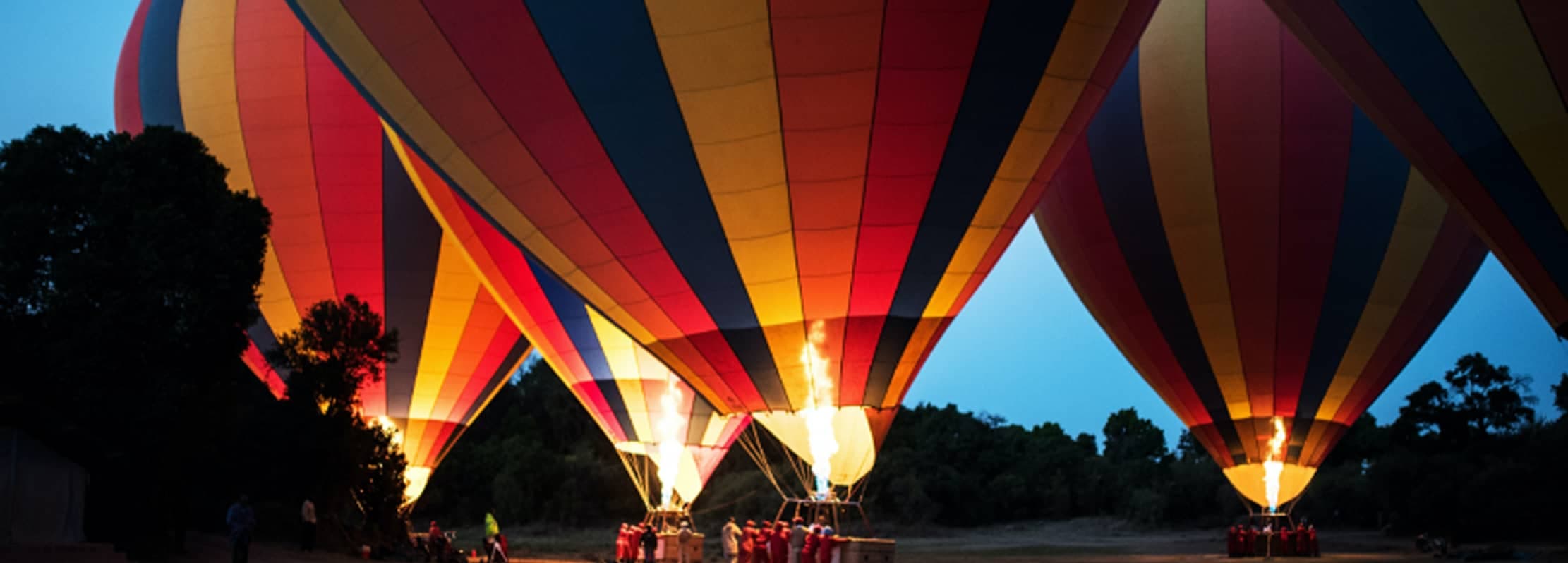
Balloon preparation involves large fans for initial envelope inflation, followed by burner ignition that creates dramatic flames against the pre-dawn sky. The envelope gradually transitions from horizontal to vertical position as heated air fills the structure.
In-flight experience and wildlife viewing
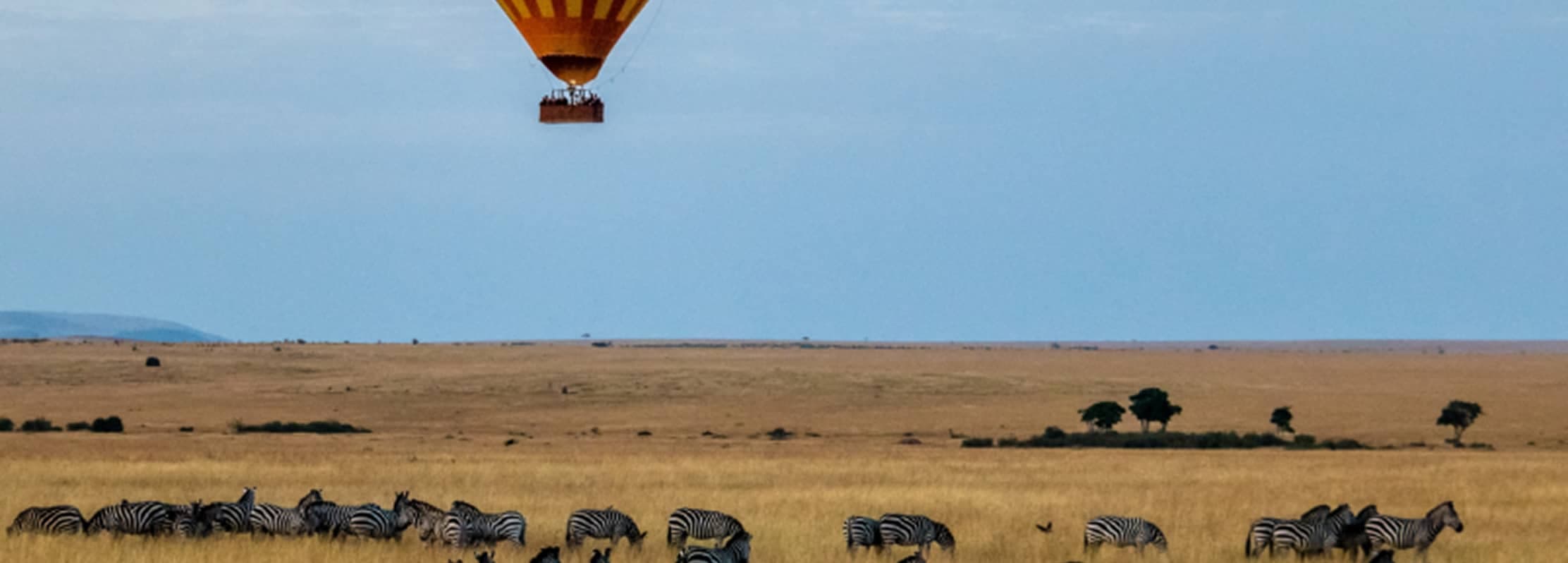
Departure occurs smoothly, with passengers often barely noticing the ground falling away. Flight duration spans approximately one hour, covering savannah terrain where elephants, hippos, and occasionally rhinos become visible below. Pilots control vertical movement through burner operation while wind currents determine horizontal direction.
Landing and champagne bush breakfast
Landing procedures sometimes involve the basket settling on its side, followed by traditional champagne service. Bush breakfast settings feature white linen and china service in wilderness locations. Meal offerings typically include fresh fruits, pastries, eggs, bacon, sausages, and grilled tomatoes.
Return game drive to your lodge
Return transfers begin around 9:00-10:00 AM, conducted as game drives that often reveal wildlife not observed during flight. The complete morning experience concludes with mid-morning arrival at accommodations.
Cost, Booking Tips, and Safety Info
Masai Mara balloon safari planning requires understanding pricing, booking requirements, and safety protocols.
Pricing Information for 2025
Balloon safari costs range from GBP 357.37 to GBP 476.50 per person, with an average price of approximately GBP 436.79 in 2025. Prices increase to GBP 472.53 in 2026. Costs vary based on lodge location, operator selection, and seasonal timing. Peak migration months (July-October) command higher rates with limited availability.
Package Inclusions
Standard balloon packages include:
- Lodge transfers to launch site
- One-hour balloon flight
- Champagne bush breakfast
- Flight certificate
- Park fees where applicable
Booking Requirements
Balloons accommodate 8-16 passengers per flight with limited daily operations. Reserve 2-3 months in advance for standard seasons. Migration season bookings require 8-10 months advance planning. Most operators require confirmation by your second day in Masai Mara.
Participant Requirements
Age restrictions: Children must be 7+ years old and tall enough to see over basket edges. Health restrictions apply to pregnant women and individuals with heart conditions, brittle bones, or neck/back issues. Weight limit: Adults over 120kg (265 lbs) may require additional space purchase.
Safety Standards
Kenya Civil Aviation Authority certifies all balloon pilots. Aircraft undergo annual KCAA inspections plus manufacturer-recommended maintenance every 100 flight hours. These safety protocols maintain excellent operational records.
Conclusion
Masai Mara balloon safaris provide aerial wildlife viewing distinct from conventional safari vehicles. The early morning flights offer perspectives of animal movement patterns across the savannah landscape that remain invisible from ground level.
Early departure times and advance booking requirements represent the primary planning considerations. Limited daily capacity and seasonal demand necessitate reservations several months ahead, particularly during migration periods.
Safety protocols and pilot certification standards maintained by Kenya Civil Aviation Authority ensure operational reliability. Equipment inspections and manufacturer-recommended maintenance schedules contribute to established safety records.
The experience includes standard components: pre-dawn transfers, balloon inflation observation, one-hour flight duration, and bush breakfast service. Pricing ranges between GBP 357-477 per person depending on operator and seasonal factors.
Age restrictions apply for participants under 7 years, with additional considerations for certain health conditions. Weight limitations may require extra space purchases for adults exceeding 120kg.
Masai Mara balloon operations provide aerial access to areas restricted from vehicle-based safaris, offering uninterrupted views across the reserve's ecosystem during optimal morning weather conditions.
Key Takeaways
Planning your first Masai Mara balloon safari requires early booking and understanding what makes this aerial adventure truly special.
- Book 2-3 months ahead (8-10 months for migration season) as balloons hold only 8-16 passengers with limited daily flights
- Expect to pay around £437-£477 per person in 2025, including transfers, flight, champagne breakfast, and certificate
- Wake up at 4:30-5:00 AM for the pre-dawn pickup to catch optimal sunrise flying conditions with calm winds
- July-October offers the best experience during Great Migration when millions of wildebeest cross the plains below
- Children must be 7+ years old and 120cm+ tall; weight limit is 120kg with health restrictions for pregnancy and heart conditions
The one-hour silent flight provides unmatched wildlife viewing from above, followed by a luxury bush breakfast that creates memories lasting far beyond traditional game drives.