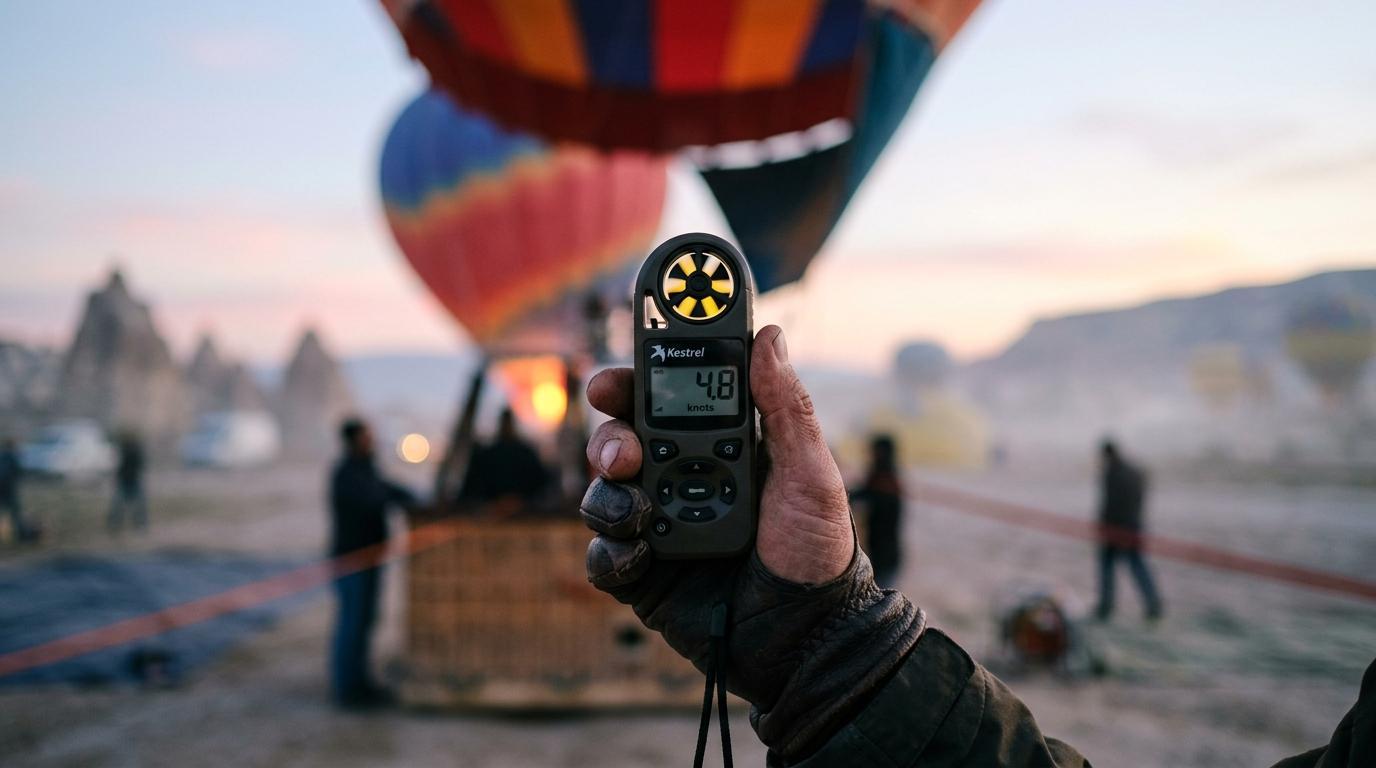
A hot air balloon ride in Göreme, Cappadocia, Turkey? The short answer is reassuring. They are generally considered safe when operated by licensed companies that follow aviation rules and cancel flights when conditions are not right. The biggest safety variables are weather and landing conditions, not the idea of ballooning itself.
Cappadocia hot air balloon safety depends on process, not luck
Göreme, in Cappadocia, is one of the busiest ballooning regions in the world. High volume does not automatically mean low risk, but it does mean the local ecosystem is built around balloon operations. That matters. In a mature balloon destination, operators, pilots, ground crews, and aviation authorities work within established routines that are designed for repeated commercial flights.
Commercial hot air balloon safety is shaped by a few core factors: regulation, pilot qualification, medical fitness, maintenance, and weather judgment. Official aviation guidance consistently points to those same pillars. A balloon ride is not safe because it feels gentle. It is safe when a qualified team treats every flight like a serious aviation operation.

A useful way to think about it is this: the most reassuring sign is not that a balloon flies every day, but that it does not fly when it should not.
Why Göreme balloon rides in Turkey are regulated
In Turkey, commercial aviation activity falls under the national civil aviation framework, and balloon operations in Cappadocia sit inside that structure. That means the pilot is not simply a skilled hobbyist taking passengers up for sunrise views. Commercial flying requires licensing, approved training pathways, and medical fitness standards.
European and Turkish aviation rules also point to a structured path for balloon pilot qualification. Regulatory materials for balloon licensing include minimum dual instruction time, inflations, takeoffs and landings, supervised solo flight, and recency requirements to keep privileges current. Those details matter because they show balloon pilots are trained for repeated operational tasks, not just scenic flying.
After looking at how balloon safety is managed, the most relevant checkpoints for travelers are straightforward:
- Pilot licensing: formal flight training and legal operating privileges
- Medical fitness: aviation medical standards for commercial flying
- Recency requirements: recent flight time, takeoffs, and landings
- Ground crew coordination
- Maintenance records
- Weather-based flight approval
In Göreme, where many balloons launch in the same morning window, coordination is especially important. A strong operator is not only selling a sunrise experience. It is managing timing, inflation, launch spacing, airspace discipline, and recovery after landing.
Göreme hot air balloon weather cancellations are a safety feature
Many travelers worry when a Cappadocia balloon flight gets canceled for weather. In practice, that cancellation is often the clearest sign that the safety system is working.

Wind, gusts, unstable air, rain, and poor landing conditions can all push a flight from acceptable to unsafe. Balloon pilots cannot steer like airplane pilots, and landings become much more demanding when winds increase. A company that cancels too easily may disappoint customers. A company that resists canceling in marginal weather creates the bigger problem.
This is one of the most important facts in hot air balloon safety: weather is not a minor detail. It is usually the first and most decisive factor.
A frequently cited CDC review of U.S. hot air balloon crashes found that most paid-tour crashes happened during landing, and wind was a factor in the majority of those events. That does not mean ballooning in Göreme is unusually dangerous. It means the known risk pattern is well established across commercial ballooning: poor conditions make landings harder, and harder landings raise the chance of injury.
Where hot air balloon incidents usually happen in Cappadocia and beyond
Balloon incidents are often associated with the dramatic part of the flight, but takeoff is not usually what concerns aviation professionals most. Landing is the phase that deserves the most respect.
Why? Because landings are where the balloon meets the real-world variables that cannot be fully controlled: changing wind at low altitude, uneven terrain, obstacles, and the possibility of a hard basket contact or tip. Even when a flight itself is smooth, the final minute can be active. Passengers may be instructed to brace, hold handles, and stay in the basket until the pilot gives the all-clear.
Here is a practical breakdown of the main safety factors.
| Safety factor | Why it matters for Göreme balloon rides | What travelers should look for |
|---|---|---|
| Weather limits | Wind and unstable air raise landing risk | A company that cancels when conditions are marginal |
| Pilot training | Judgment matters as much as flying skill | Licensed commercial balloon pilot |
| Landing area choice | Terrain and obstacles affect touchdown | Experienced local operator with strong ground crew |
| Passenger briefing | Good posture reduces injury risk in hard landings | Clear pre-flight safety instructions |
| Aircraft condition | Balloon envelope, burner, and basket must be maintained | Professional setup and well-organized operations |
| Ground crew support | Recovery and landing coordination improve control | Visible chase team and structured landing process |
Power lines are another serious aviation hazard in low-altitude operations. Experienced balloon pilots are trained to avoid them, and local knowledge in Cappadocia helps. This is one reason first-time visitors should be cautious about choosing solely on price.
Pilot skill in Cappadocia hot air balloon safety
Pilot skill in ballooning is not just about making the flight feel smooth. It is about reading the morning, deciding whether to launch, adjusting altitude to find favorable airflow, selecting a landing zone, and managing touchdown with a full basket of passengers.
Official aviation frameworks for balloon pilots include supervised training, takeoffs and landings, and ongoing recency standards. That is especially relevant in Cappadocia, where commercial flights are frequent and operational discipline matters. Turkish civil aviation guidance also refers to regulated duty and rest structures for professional pilots, which supports another part of safety that travelers rarely see: fatigue management.
A good pilot does several things long before passengers take photos:
- Makes the go/no-go decision: based on actual conditions, not guest expectations
- Chooses landing strategy: with wind, terrain, and obstacles in mind
- Briefs passengers clearly: brace position, handles, and when to exit
- Reads local airflow patterns
- Coordinates with the ground crew
- Prioritizes a safe finish over a perfect route
That last point matters in Göreme. The best balloon flight is not the one that squeezes every possible minute out of the air. It is the one that ends safely, even if the pilot shortens the route or lands earlier than expected.
What passengers can do to improve hot air balloon safety in Göreme
Travelers are not passive in the safety equation. The operator and pilot carry the main responsibility, but passenger behavior still matters, especially during takeoff and landing.
The first step is simple: listen carefully to the briefing. Many injuries in balloon incidents are linked to hard landings, basket tipping, or being thrown off balance. A proper brace position can make a real difference. So can staying inside the basket until told to exit.
It also helps to book a flight that matches your group’s needs. Older travelers, people with recent injuries, and anyone with mobility limitations should ask direct questions before booking. Balloon rides are widely enjoyed by many age groups, but the landing phase can be physically active.
Before confirming a Cappadocia balloon ride, it makes sense to check a few basics:
- Operator status: licensed, established, and active in Göreme
- Reviews: consistent comments about organization, professionalism, and briefings
- Cancellation policy: clear terms for weather-related changes
- Hotel pickup details
- Basket size and flight duration
- Support responsiveness
Clothing also plays a role, even if only in a small way. Wear flat, secure shoes. Avoid unstable footwear. Dress for early morning temperatures in Cappadocia, which can feel cold before sunrise even in warmer months.
How to compare Göreme balloon operators without focusing only on price
Price differences in Cappadocia balloon rides can be significant, especially in peak travel periods. It is tempting to assume that every flight is basically the same and that the lowest fare wins. That is not the best approach.
A cheaper ticket may still be perfectly acceptable, but travelers should compare more than cost. In Göreme, operator reputation, review quality, safety communication, basket size, and cancellation handling all deserve attention. A well-run booking platform can help here by showing real-time availability, verified reviews, and multiple operators in one place, which makes comparison easier without relying on guesswork.
When reviewing your options, pay attention to the tone of customer feedback. The most useful reviews are not just emotional reactions to the sunrise. They mention punctual pickup, crew professionalism, safety briefing quality, how weather cancellations were handled, and whether the landing felt controlled.
One sentence in a review can be more useful than ten glamorous photos.
What a safe Cappadocia balloon experience usually looks like
In practical terms, a safe and professional hot air balloon morning in Göreme tends to follow a recognizable pattern. Pickup is early. Weather has already been assessed. The launch area is active but organized. Crew members prepare the balloon methodically, not hurriedly. The pilot gives a clear briefing. Passengers are told exactly how to stand, hold on, and brace.
Then comes the part most people remember: the rise above Cappadocia’s valleys, rock formations, and soft dawn light.
The beauty of the flight should not distract from the structure behind it. The reason Göreme remains one of Turkey’s signature balloon destinations is not only the landscape. It is also the disciplined habit of treating ballooning like aviation. When that discipline is visible, confidence should rise.
For travelers choosing a hot air balloon ride in Göreme, the smartest safety question is not “Will my flight definitely happen?” It is “Will this operator cancel if it should?” That mindset usually leads to better choices, better operators, and a better morning over Cappadocia.


